
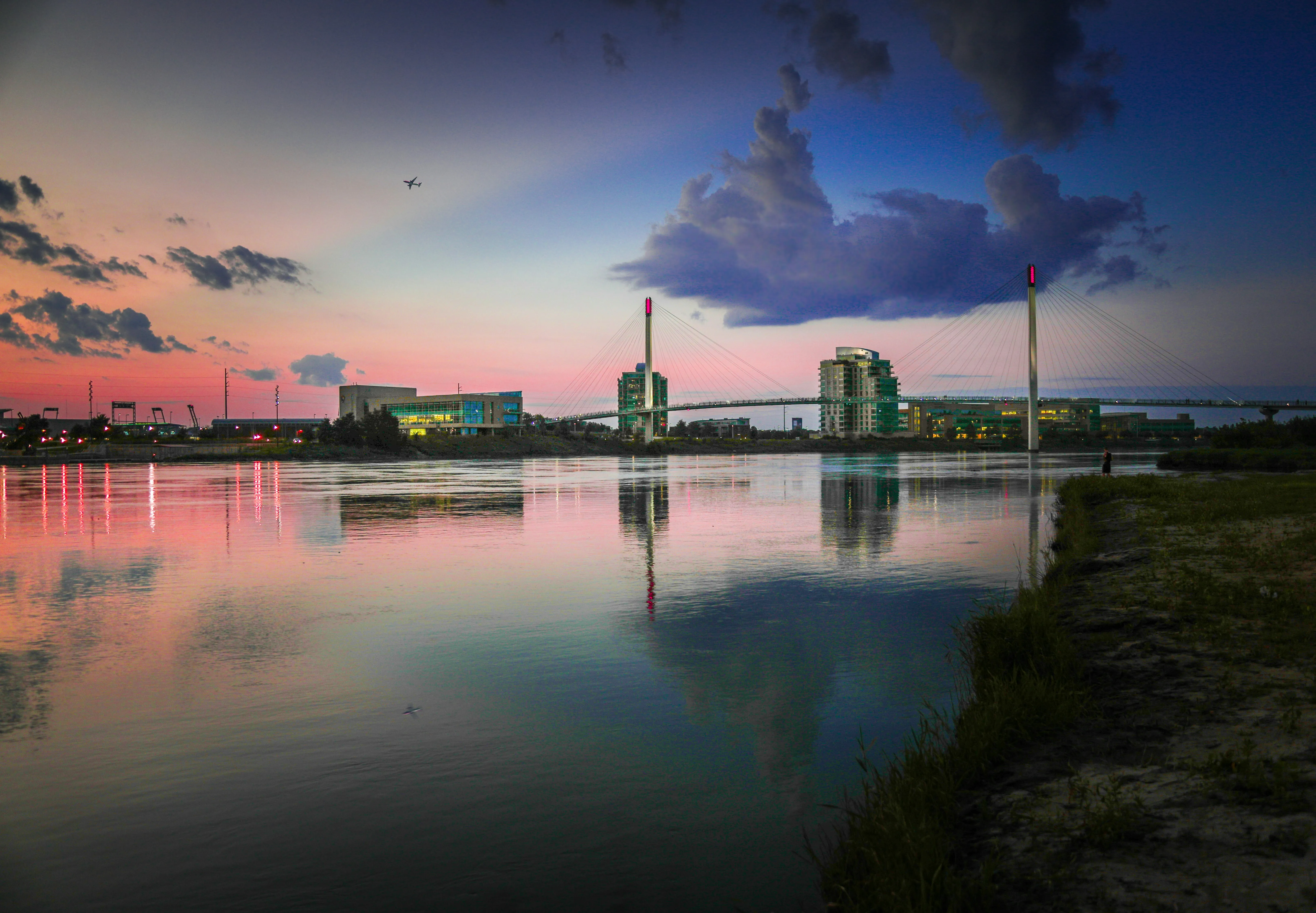
Douglas County, Nebraska
Omaha, Nebraska — The Heart of the Great Plains
Quick Facts
- County
- Douglas County, Nebraska
- Population
- Approx. 480,000 city / 868,000 metro
- Median home sale price
- Approx. $267,000
- Median age
- 35.3 years
- School district
- Omaha Public Schools (+ others)
Omaha, Nebraska is the largest city in the Great Plains and the economic engine of the four-state region. Home to a metro population approaching 870,000, Omaha has evolved from its roots as a livestock and railroad hub into one of the more diverse and stable mid-size metros in the United States. It consistently ranks among the most livable cities in the country — and among the most affordable major metros for families buying homes.
The Omaha metro anchors a region that stretches across the Missouri River into western Iowa, where communities like Council Bluffs, Glenwood, and Silver City offer a lower cost of living and a more rural pace of life — all within a practical commute of the city's job market and amenities.
With a median age of just 35.3 years, Omaha skews younger than most mid-size metros. The city's combination of career opportunity, affordable housing, and genuine quality of life has made it a magnet for young professionals and growing families — many of whom eventually look across the river for more space when they are ready to build.
By the Numbers
Omaha at a Glance
868,000
Metro Population
$267K
Median Home Price
$97K
Median Household Income
~3.5%
Unemployment Rate
10% Below
National Cost of Living Avg
5+
Fortune 500 Headquarters
35.3
Median Age
OMA
Eppley Airfield
Economy
Omaha's Economy and Job Market
Omaha's economy is built on a foundation of industries that have historically proven recession-resistant — insurance, financial services, healthcare, logistics, and defense. The city is home to several Fortune 500 companies and a federal military presence that keeps employment stable through economic cycles. This diversification is a key reason why Omaha weathered the 2008 financial crisis and the COVID-19 pandemic better than most comparably sized metros.
The financial services and insurance sector is the backbone of the local economy. Berkshire Hathaway, Warren Buffett's holding company, is headquartered in downtown Omaha and employs thousands across its subsidiaries. Mutual of Omaha, one of the largest insurance companies in the United States, recently completed a new headquarters tower in Midtown — a billion-dollar investment that signals long-term commitment to the city. First National Bank of Omaha, the largest privately held banking company in the country, is another major employer.
Transportation and logistics have been central to Omaha since the transcontinental railroad. Union Pacific Railroad remains headquartered here, and the city sits at the intersection of two major interstates, making it a natural hub for distribution and freight. Werner Enterprises and several other trucking and logistics firms are based in the metro area.
Healthcare and biotech are growing rapidly. The University of Nebraska Medical Center and Nebraska Medicine form one of the largest academic medical centers in the country, employing over 9,000 people and attracting top researchers in infectious disease, transplant medicine, and cancer treatment. The ongoing expansion of UNMC's campus — including a new federal disaster response facility — is a multi-billion-dollar investment in the city's future.
The defense sector anchors the southern end of the metro. Offutt Air Force Base in Bellevue is home to U.S. Strategic Command and employs roughly 10,000 military and civilian personnel, making it one of the most important military installations in the country.
Major Employers
- Berkshire Hathaway — Fortune 500 holding company
- Mutual of Omaha — insurance and financial services
- Union Pacific Railroad — freight transportation, headquartered in Omaha since 1862
- Nebraska Medicine / UNMC — academic medical center and research institution
- Offutt Air Force Base — U.S. Strategic Command headquarters
- Kiewit Corporation — one of the largest construction and engineering firms in North America
- First National Bank of Omaha — largest privately held banking company in the U.S.
- CHI Health and Methodist Health System — regional healthcare networks
- TD Ameritrade (Charles Schwab) — major operations center
- Werner Enterprises — trucking and logistics
U.S. News and World Report ranked the Omaha metro first in the country on its housing market index in early 2025, citing financing conditions, demand, and market resilience. The metro's unemployment rate has hovered near 3.5 percent — well below the national average — reflecting broad-based demand for workers across nearly every sector.
Housing
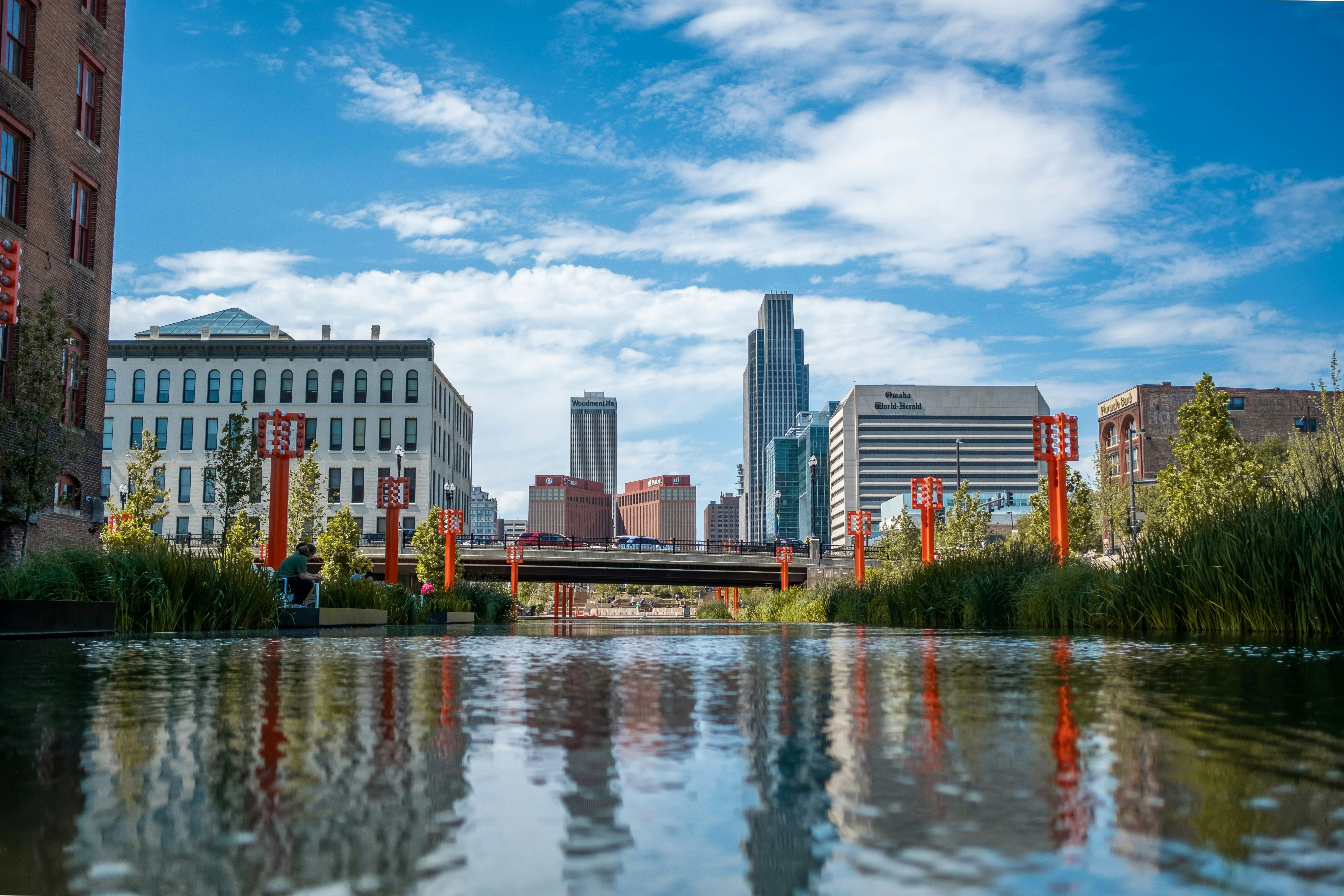
Omaha Housing Market
The median sale price of a home in Omaha was approximately $267,000 as of late 2025, up about 5.8 percent year over year. Omaha's cost of living runs about 10 percent below the national average, making it one of the more affordable major metros in the country despite steady price appreciation.
For buyers coming from coastal or high-cost markets, Omaha's prices can feel like a significant opportunity. For buyers already in the Omaha market who want more space than a suburban lot provides, rural acreage in southwest Iowa — just 35 minutes across the river — represents a very different entry point at a fraction of the cost.
The Omaha market has remained competitive in part because of limited inventory. New construction in the metro tends to concentrate in the western and southwestern suburbs — Elkhorn, Gretna, and Papillion — where lot sizes are typically a quarter acre or less. Families looking for genuine acreage within commuting distance have few options on the Nebraska side, which is one reason southwest Iowa has become an increasingly attractive alternative.
Education
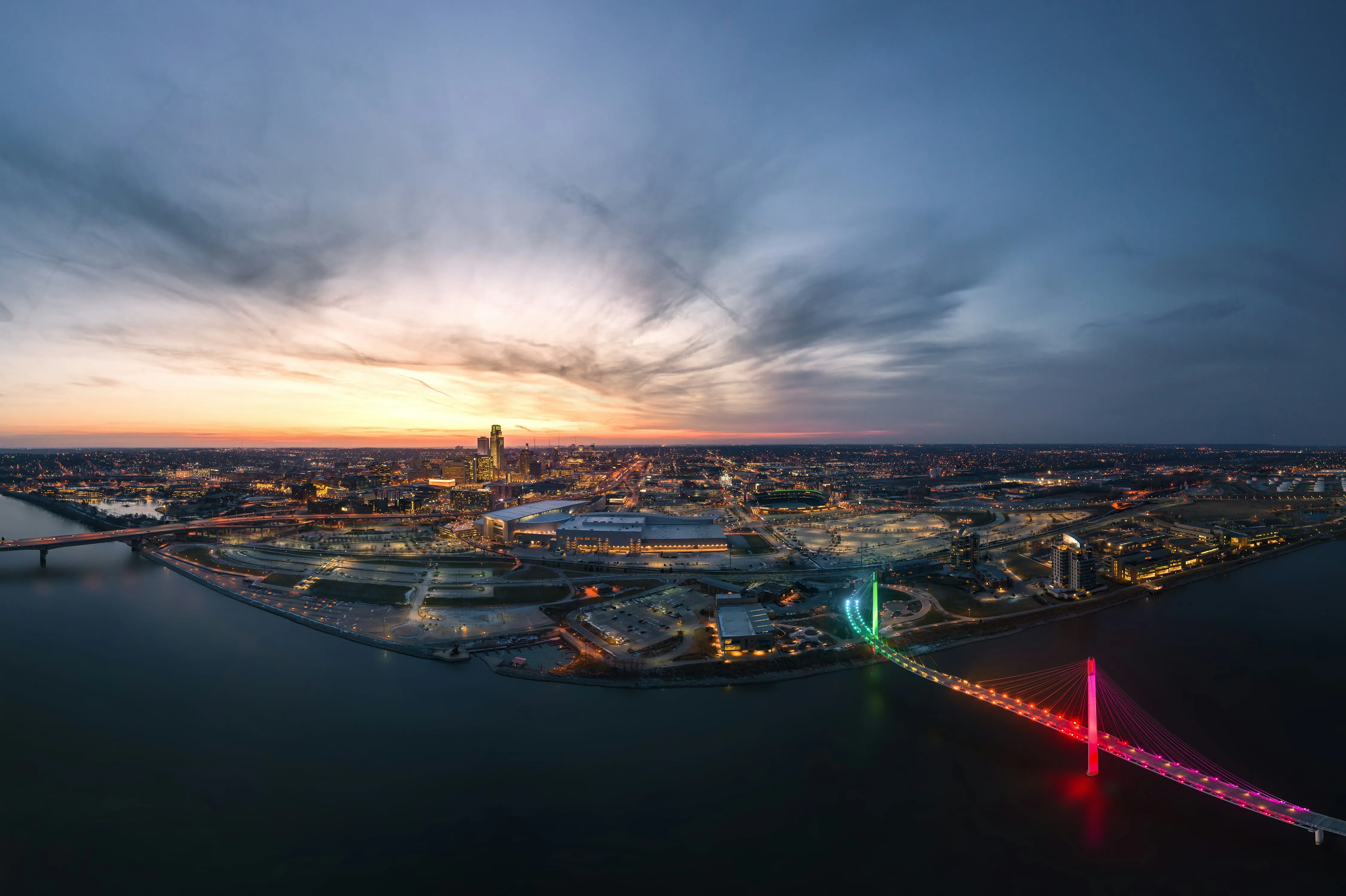
Universities and Higher Education
Omaha is home to several major universities and research institutions that contribute to the metro's skilled workforce, healthcare infrastructure, and cultural life.
Creighton University
A private Jesuit university founded in 1878, Creighton enrolls about 8,500 students and is nationally ranked for its programs in medicine, law, business, and pharmacy. Its medical school and affiliated clinics are major contributors to the local healthcare ecosystem.
University of Nebraska Omaha
UNO is the largest university in the metro with roughly 15,000 students. It is a Carnegie-classified doctoral research institution with strong programs in information technology, criminal justice, aviation, and engineering. Its Baxter Arena hosts events and concerts year-round.
UNMC / Nebraska Medicine
The University of Nebraska Medical Center is one of the premier academic medical centers in the country. Known for leadership in transplant surgery, infectious disease containment, and cancer research, UNMC anchors a medical campus that is undergoing a multi-billion-dollar expansion.
Things to Do
Living in Omaha
Culture and Arts
- Joslyn Art Museum — one of the finest art museums in the Great Plains, with collections spanning ancient to contemporary works and free general admission
- Orpheum Theater — a restored 1927 vaudeville palace that hosts Broadway touring shows, the Omaha Symphony, and national touring acts
- The Old Market — a historic warehouse district with independent galleries, bookshops, and street performers that has been the cultural heart of the city for decades
- Film Streams at the Ruth Sokolof Theater — an independent cinema showcasing first-run art-house and documentary films
- Bemis Center for Contemporary Arts — a nationally recognized artist residency program and exhibition space
Sports and Entertainment
- Charles Schwab Field Omaha — home of the College World Series every June, one of the most storied traditions in college athletics
- CHI Health Center — a 17,000-seat arena hosting concerts, conventions, and Creighton Bluejays basketball
- Werner Park — home of the Omaha Storm Chasers, the Triple-A affiliate of the Kansas City Royals
- Baxter Arena — home court for UNO Mavericks athletics and a venue for mid-size concerts and events
- Union Omaha — a professional soccer club competing in the USL League One, playing at Werner Park
Dining and Nightlife
- A nationally recognized dining scene anchored by steakhouses, farm-to-table restaurants, and a growing number of James Beard-nominated chefs
- The Old Market and Benson neighborhoods offer the densest concentration of independent restaurants, cocktail bars, and live music venues
- Omaha's craft brewery scene has grown significantly, with notable breweries including Brickway, Infusion, Kros Strain, and Lucky Bucket
- Midtown Crossing and Aksarben Village provide walkable dining districts with a mix of local and regional restaurants
Outdoor and Family
- Henry Doorly Zoo and Aquarium — consistently ranked among the top zoos in the world, featuring the largest indoor desert and nocturnal exhibit in North America
- Lauritzen Gardens and the Omaha Botanical Center — 100 acres of gardens and natural areas along the Missouri River bluffs
- Gene Leahy Mall and the Riverfront — recently transformed into a world-class urban park with a performance pavilion, splash pad, playground, and event lawn
- Fontenelle Forest — 2,000 acres of old-growth forest, wetlands, and trails just south of downtown in Bellevue
- Chalco Hills and Zorinsky Lake — popular parks in west Omaha with trails, fishing, and open space
Neighborhoods
Where People Live in Omaha
Omaha's neighborhoods range from dense, walkable urban districts to quiet suburban enclaves with top-rated schools. Each area has its own character, price point, and lifestyle — and understanding them is useful whether you plan to live in the city or commute from across the river.
Old Market
Omaha's original commercial core, now a walkable district of cobblestone streets, independent restaurants, galleries, and nightlife. Loft apartments and condos make it popular with young professionals. It sits adjacent to the newly renovated Riverfront parks.
Midtown
Centered around UNMC, Creighton, and Midtown Crossing, this area is the metro's healthcare and university hub. Dense, walkable, and convenient, it appeals to medical professionals, students, and anyone who wants to be close to the city's institutions.
West Omaha
The fast-growing western suburbs — including Elkhorn and parts of Bennington — are where most new residential construction is concentrated. Newer homes, top-rated Millard and Elkhorn school districts, and proximity to retail centers make this area popular with families.
Aksarben Village
Built on the site of the former Ak-Sar-Ben horse racing track, this mixed-use development combines apartments, restaurants, green space, and a farmers' market. It has become one of the most desirable neighborhoods for walkability and community feel.
Dundee-Happy Hollow
One of Omaha's most established neighborhoods, Dundee features tree-lined streets, historic homes from the early 1900s, and a charming commercial strip along Underwood Avenue. It has long been one of the city's most sought-after addresses for families who want character and walkability.
Benson
Omaha's unofficial arts and music district, Benson has transformed over the past decade into a hotspot for independent restaurants, dive bars, live music, and creative businesses. Home values have risen sharply as the neighborhood's popularity has grown.
Commute
Commuting to Omaha from Southwest Iowa
One of the advantages of living in southwest Iowa is the reverse commute. From communities like Glenwood and Silver City, the drive to downtown Omaha runs approximately 35 minutes via Highway 34 and Interstate 80. For most of the route, you are on a four-lane highway with minimal traffic relative to what Omaha commuters experience from the western suburbs. The commute into the city is against traffic in the morning, which helps.
For workers headed to west Omaha employment centers rather than downtown, the commute runs closer to 40 to 45 minutes depending on the destination — still workable for families willing to trade commute time for acreage, privacy, and a significantly lower cost of living.
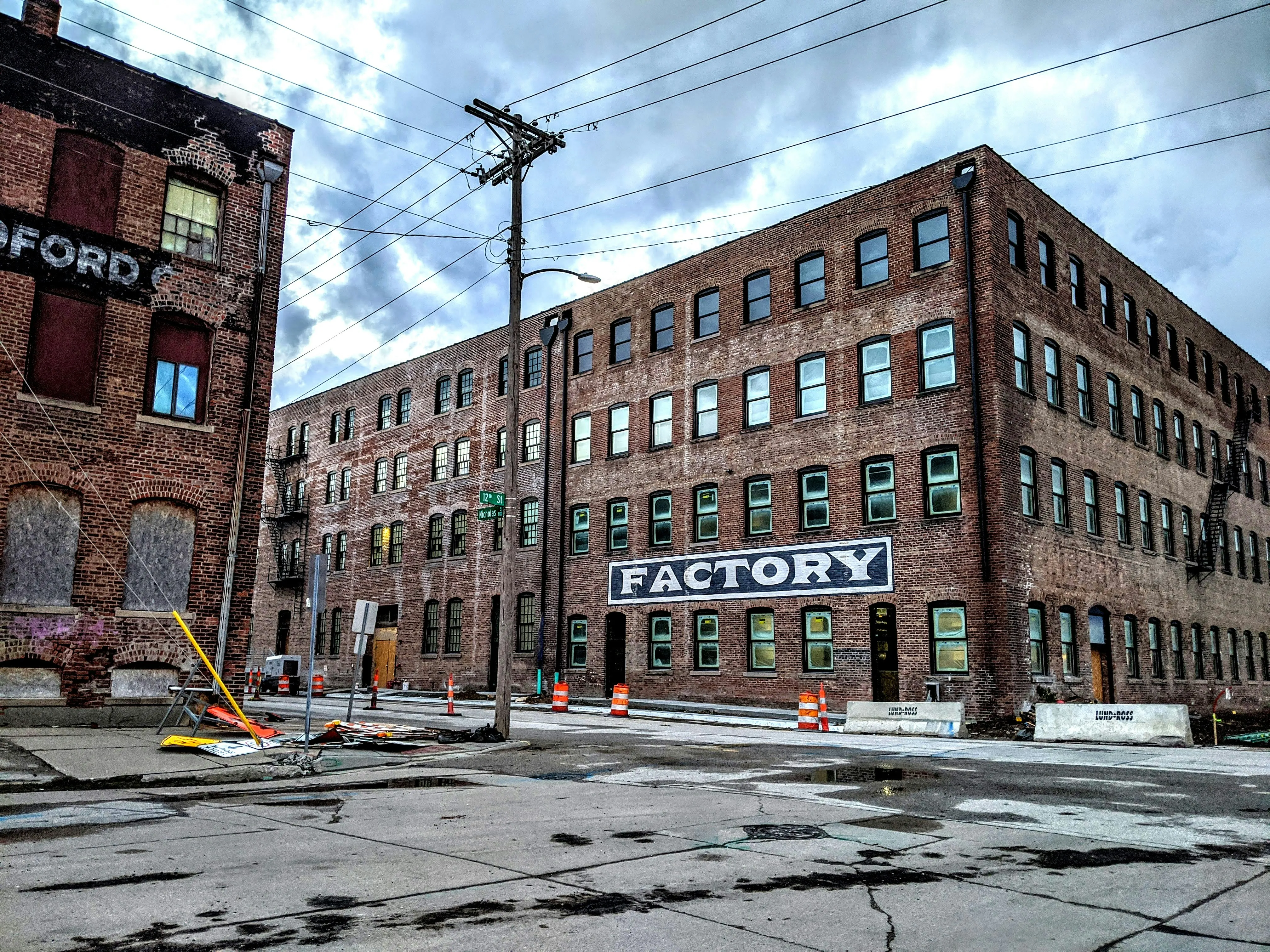
Acreage Lots 35 Minutes from Omaha
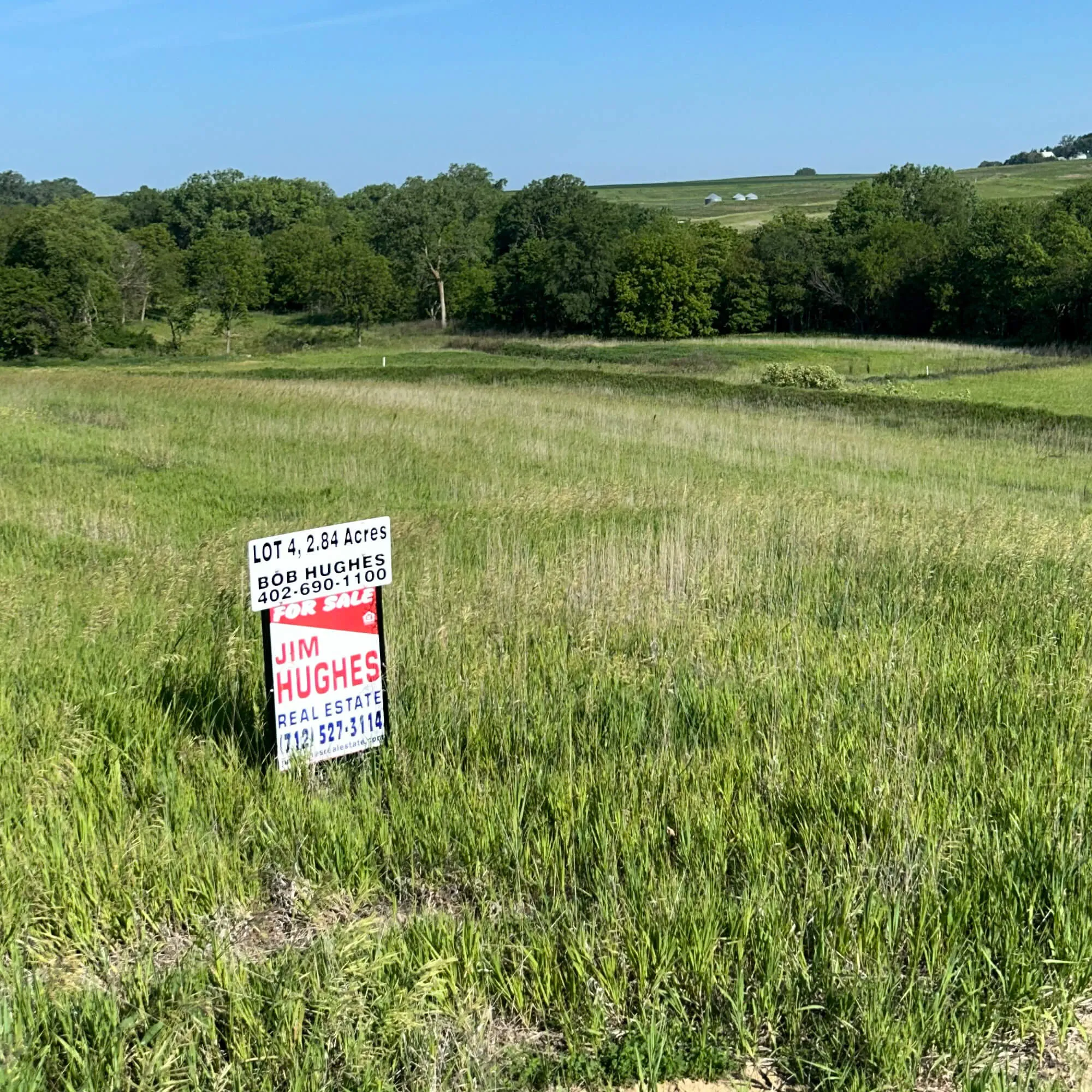
Silver Springs Subdivision offers 18 acreage lots ranging from 2 to 7 acres in Mills County, Iowa, approximately 35 minutes from downtown Omaha. Lots start at $80,000 with no required builder and no mandatory build timeline. Fiber internet and paved roads are already in place.
Silver Springs is approximately 35 minutes from downtown Omaha via Highway 34 and Interstate 80.
View Available Lots
Frequently Asked Questions
Questions About Living Near Omaha
Don't see your question? Send Bob a message!
How far is Silver Springs from Omaha?
Silver Springs is approximately 35 minutes from downtown Omaha via Highway 34 and Interstate 80. The commute is largely against traffic in the morning, making it a practical daily drive for metro workers who want rural acreage.
What is the median home price in Omaha?
The median home sale price in Omaha is approximately $267,000 as of late 2025, up about 5.8 percent year over year. Despite steady appreciation, Omaha remains one of the most affordable major metros in the country.
What Fortune 500 companies are headquartered in Omaha?
Omaha is home to several Fortune 500 headquarters, including Berkshire Hathaway, Mutual of Omaha, Union Pacific Railroad, Kiewit Corporation, and Werner Enterprises. This concentration of major corporate headquarters is unusual for a metro of Omaha's size and contributes to the region's economic stability.
What are the major employers in Omaha?
Major employers include Nebraska Medicine and UNMC, Union Pacific Railroad, Mutual of Omaha, Berkshire Hathaway, Offutt Air Force Base, CHI Health, Methodist Health System, First National Bank of Omaha, and Creighton University. The metro area supports over 500,000 jobs across diverse industries.
What is the weather like in Omaha?
Omaha has a humid continental climate with four distinct seasons. Summers are warm with average highs around 87 degrees Fahrenheit in July, and winters are cold with average highs around 33 degrees in January. Annual snowfall averages about 30 inches, and the region receives roughly 30 inches of rain per year. Spring and fall are generally mild and considered the most pleasant seasons.
Is Omaha a growing city?
Yes. The Omaha metro has added roughly 100,000 residents over the past decade and continues to grow at a steady pace. Major infrastructure investments — including the Riverfront revitalization, new streetcar system, and ongoing expansion of the medical district — signal continued momentum. Omaha is consistently ranked among the best cities for young professionals and families.
What are the best neighborhoods in Omaha?
Popular neighborhoods include the Old Market for walkability and nightlife, Dundee-Happy Hollow for historic charm, Aksarben Village for a mix of urban amenities and residential living, Midtown for proximity to hospitals and universities, and West Omaha for newer suburban development and top-rated schools. Each area offers a different lifestyle and price point.
How does Omaha's cost of living compare to other metros?
Omaha's cost of living runs approximately 10 percent below the national average. Housing is the biggest differentiator — comparable homes cost a fraction of what they would in Denver, Minneapolis, Kansas City, or any coastal metro. Groceries, utilities, and transportation costs also trend below national averages. For families living across the river in Iowa, the cost advantage is even greater.
Is Omaha a good place to live?
Omaha consistently ranks among the most livable and affordable major metros in the United States. U.S. News and World Report ranked it first in the country on its housing market index in early 2025. The city offers a strong job market, low unemployment, excellent healthcare, a growing cultural scene, and a practical quality of life that larger metros struggle to match.
Can you commute from southwest Iowa to Omaha?
Yes. Silver Springs Subdivision is approximately 35 minutes from downtown Omaha — a realistic daily commute for metro workers who want rural acreage. The drive is mostly four-lane highway, and because you are traveling against the primary flow of traffic, congestion is minimal compared to commuting from Omaha's western suburbs.
35 Minutes from Downtown Omaha
Your Omaha Job.
Your Iowa Acreage.
You don't have to choose between Omaha's job market and the space you actually want. Silver Springs sits 35 minutes from downtown — close enough to commute, far enough to breathe. Come see it.